Why Cloud Creams Feel Like Emotional Support for My Skin
There are nights when my reflection doesn’t look particularly dramatic or alarming, yet something about my skin feels quietly unsettled. I recall one evening when I stood in front of my bathroom mirror, having spent hours of overstimulation, scrolling, thinking, creating, and absorbing too much information.
Instead of noticing dryness or breakouts, or anything obvious, I felt a deeper sense that my skin was tired in the same way my mind was tired, slightly overwhelmed, and craving softness instead of solutions.
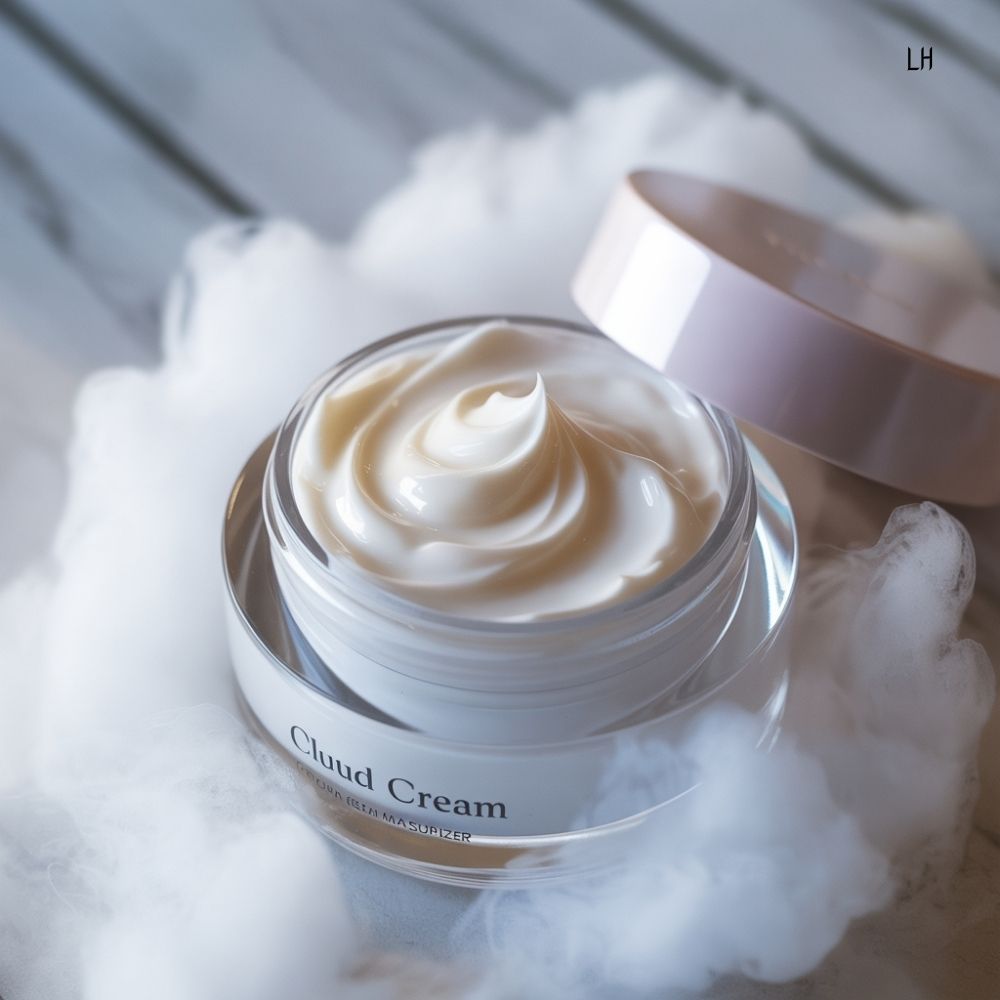
That was the night I reached for my cloud cream without thinking, the kind of moisturizer that feels whipped and airy when you scoop it out, almost like it shouldn’t exist in solid form at all.
As soon as my fingers sank into its surface, I felt an immediate emotional exhale. There was no urgency, no desire to layer actives or chase results, only the quiet instinct to soothe, cushion, and calm.
In that moment, it became clear to me that cloud creams weren’t just part of my skincare routine, but part of how I emotionally regulate, offering comfort in a way that feels deeply human and surprisingly intimate.
What a Cloud Cream Really Is, Beyond Texture and Marketing
A cloud cream, at least the way I experience it, is not simply a lightweight moisturizer or a gel-cream hybrid, but a texture that sits somewhere between structure and softness.
It’s designed to melt the moment it touches warm skin while still leaving behind a sense of protection and care. It feels like air turned tangible, like something whipped rather than manufactured, and that sensation alone changes the entire emotional tone of application.
Unlike heavier creams that announce themselves with richness or gels that evaporate too quickly to feel grounding, cloud creams hover in that perfect in-between space, creating a veil of hydration that feels nurturing without being suffocating.
When I smooth one onto my skin, it doesn’t feel like I am layering something on top of myself, but rather like I am giving my face permission to relax, to soften, to exist without tension.
Why Texture Matters as Much as Ingredients for Emotional Skincare
For a long time, I focused on skincare ingredients the way most of us do, scanning labels for buzzwords and benefits, until I realized that texture was doing just as much emotional work as any active ever could.
Texture determines how a product meets your skin, how it moves across your face, how long it lingers, and how safe or supported your skin feels during the experience.
Cloud creams are emotionally intelligent textures, because they do not demand attention or effort, and instead respond gently to touch, warming, spreading, and disappearing in a way that feels intuitive and kind.
When my thoughts feel loud or my nervous system feels stretched thin, the last thing I want is resistance, friction, or heaviness, and cloud creams understand that instinctively, offering glide without slip, hydration without weight, and presence without pressure.
The Way I Use Cloud Creams When My Skin Needs Reassurance
My relationship with cloud creams is not about strict steps or exact timing, but about responding to how I feel in my body at the moment I apply them. Some evenings, I use them as the final step after cleansing, letting them act as a soft blanket that seals everything in gently.
Other times, especially on days when my skin feels emotionally reactive, I layer a cloud cream over a hydrating serum, creating a cushiony effect that feels almost protective, as if I am wrapping my skin in something safe.
I apply them slowly, never rushing, using the flats of my fingers rather than my palms, and pressing instead of rubbing so the cream settles rather than spreads away.
There is a moment when the cream transitions from visible to invisible, and that moment always feels symbolic, like the point where comfort sinks beneath the surface and becomes internal rather than external.
The Difference Between Repair and Support
There is a cultural obsession with repairing skin, fixing skin, correcting skin, and while there is absolutely a place for targeted treatments, I have learned that not every moment requires intervention. Some moments require support, which is a quieter, more compassionate form of care.
Cloud creams offer support rather than correction, stepping in not to change the skin, but to hold it where it is. They do not demand results or timelines, and they do not punish the skin for being tired or reactive.
Instead, they acknowledge the state the skin is in and respond with softness, which often allows radiance to return naturally, without force or irritation.
How Cloud Creams Fit Into My Creative Life
Because my days are filled with color, texture, and constant creative input, my skin often becomes the place where overstimulation settles first, and cloud creams have become a way of creating balance after that intensity.
They feel like a neutral palette cleanser, a reset that allows my skin to return to itself without stripping away personality or glow.
On days when I am experimenting with makeup, cloud creams create the perfect base, because they leave my skin plump and calm without making it slippery or shiny.
On days when I wear no makeup at all, they become the entire experience, giving my face a soft, rested look that feels honest and comfortable rather than unfinished.
Why I Reach for Cloud Creams When I Need to Be Held, Not Changed
Cloud creams have earned their place in my routine not because they promise miracles, but because they consistently show up for my skin in moments when what I need most is comfort.
They remind me that skincare can be an act of emotional presence, not just physical maintenance, and that softness is not a weakness, but a form of strength that allows everything else to function better.
When my skin feels overwhelmed, when my thoughts feel heavy, or when the world feels a little too sharp around the edges, cloud creams feel like emotional support made tangible, offering calm, cushion, and care in a way that feels deeply aligned with who I am.
And sometimes, that kind of quiet support is the most beautiful thing you can give yourself.