The Hair Color Trends That Instantly Make You Look Softer
The subtle shades and techniques that change your whole look.
Hair color has an incredible ability to transform how someone looks. A new shade can brighten the face, soften facial features, and even change how light reflects around your skin.
Yet many people only think about hair color in terms of dramatic transformations. Platinum blonde. Deep black. Bright copper. Bold fashion colors.
Those shades can be beautiful, but lately something different has been happening in beauty and fashion circles. Instead of bold contrasts, many hairstylists are moving toward softer, more dimensional hair colors.
These shades do not scream for attention. Instead, they quietly enhance your natural features. The result is hair that looks luminous, natural, and flattering in everyday light.
Beauty editors from publications like Vogue and Allure have noticed this shift as well. Many modern hair trends now focus on subtle color blending, soft transitions, and natural highlights rather than strong, single-tone shades.
The reason is simple. Soft hair colors reflect light differently. Instead of creating harsh contrast, they diffuse light across the hair strands, which often makes facial features appear more balanced and gentle.
If you have ever wondered why some hair colors make people look effortlessly polished while others feel slightly harsh, the answer usually lies in tone and dimension. Here are some of the hair color trends that hairstylists say can instantly soften your overall look.
1. Soft Beige Blonde
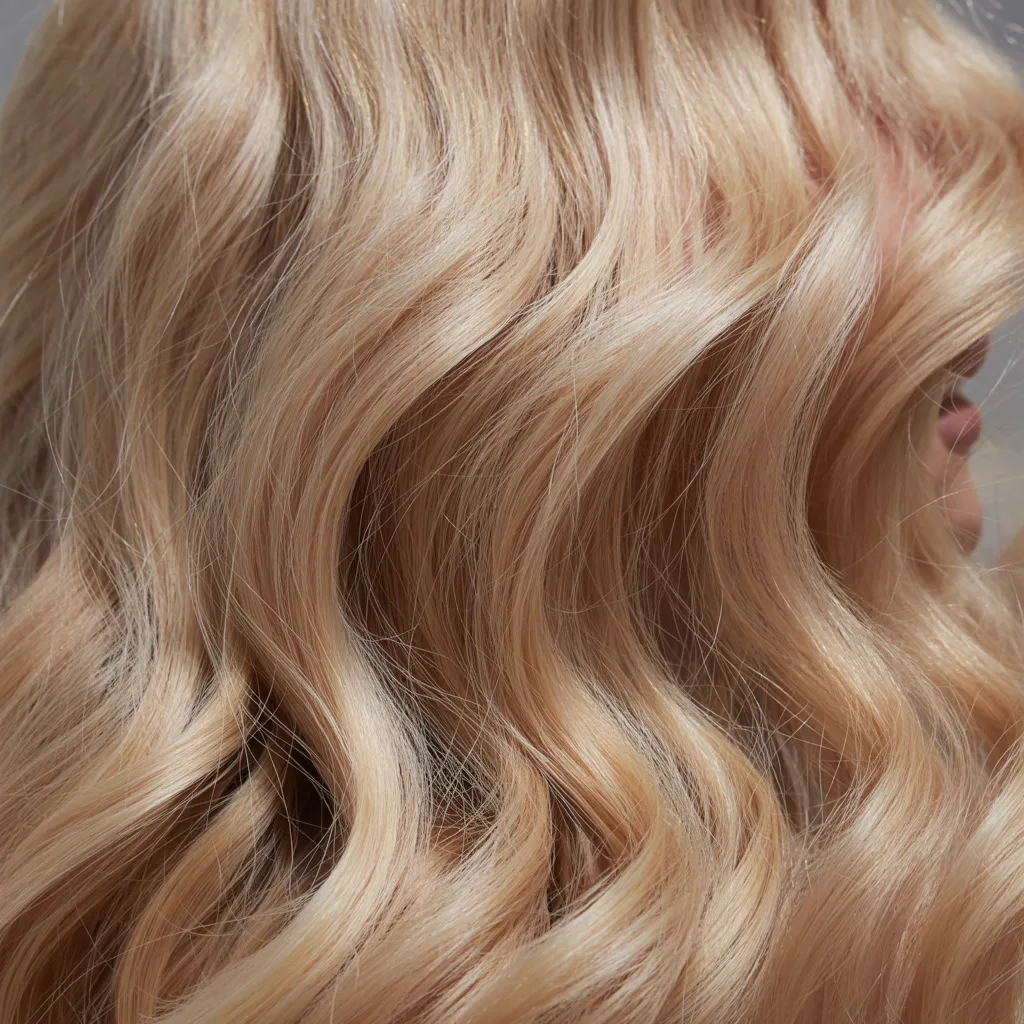
Blonde hair has always been popular, but the tone of blonde makes a huge difference. For years, bright platinum blonde dominated hair trends. While striking, that shade can sometimes create strong contrast against the skin.
Soft beige blonde is a more balanced alternative. This shade blends warm and cool undertones to create a creamy, neutral blonde that looks natural in almost any lighting. Instead of appearing icy or overly golden, beige blonde sits somewhere gently in between.
Hairstylists often describe it as the “cashmere sweater” of blonde shades. It feels smooth, soft, and understated. Because beige blonde contains subtle variations of color, it reflects light beautifully. The hair appears glossy and dimensional rather than flat.
Another reason this shade is so flattering is that it works with a wide range of skin tones. The neutral undertones prevent the color from clashing with either warm or cool complexions. When done well, beige blonde creates the kind of effortless softness people often associate with natural blondes.
2. Expensive Brunette
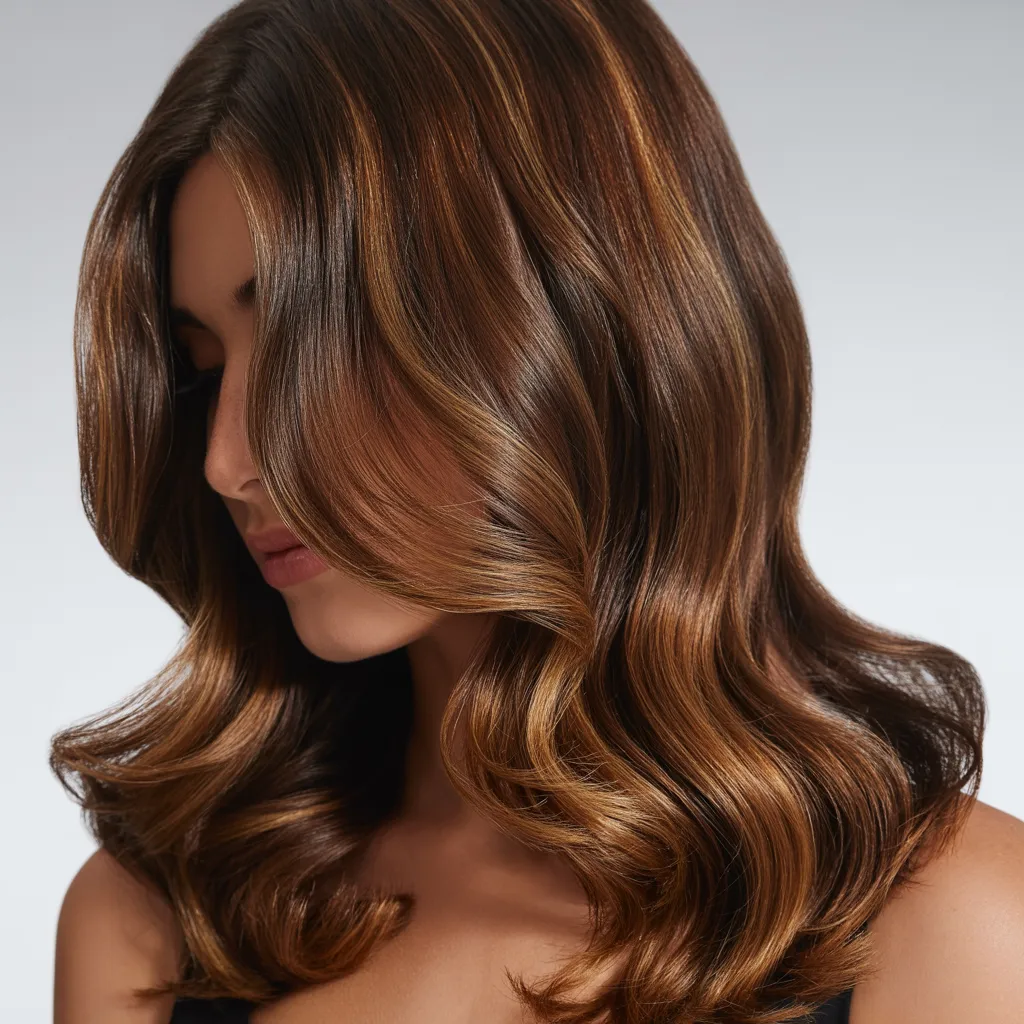
Brunette hair has experienced a major comeback in recent years, but not in the dark, single-tone way it used to appear. Hairstylists now talk about something called “expensive brunette.”
This trend focuses on creating rich, dimensional brown shades with subtle highlights that mimic how hair naturally lightens in sunlight. Instead of one uniform color, the hair contains delicate variations of chocolate, caramel, and chestnut tones.
These subtle shifts create depth, which allows the hair to reflect light more naturally. The result is brunette hair that appears softer, shinier, and much more luxurious.
The term “expensive brunette” became popular because this style makes hair look polished and well-maintained without appearing overly styled. It is also easier to maintain than lighter hair colors because the roots grow out more seamlessly.
3. Honey Brown
Honey brown sits perfectly between blonde and brunette. This shade combines warm golden tones with medium brown hair, creating a soft glow that brightens the face without looking overly light.
Many hairstylists recommend honey brown for people who want a subtle change that still makes a visible difference. The warmth in this shade reflects light beautifully, which can make hair appear thicker and more luminous.
Honey tones also tend to soften facial features because warm colors blend smoothly with most skin tones.
In natural daylight, honey brown hair often looks slightly different depending on the angle of the light. Sometimes it appears richer and deeper, while other times it reveals gentle golden highlights. This shifting effect adds dimension that keeps the hair from looking flat.
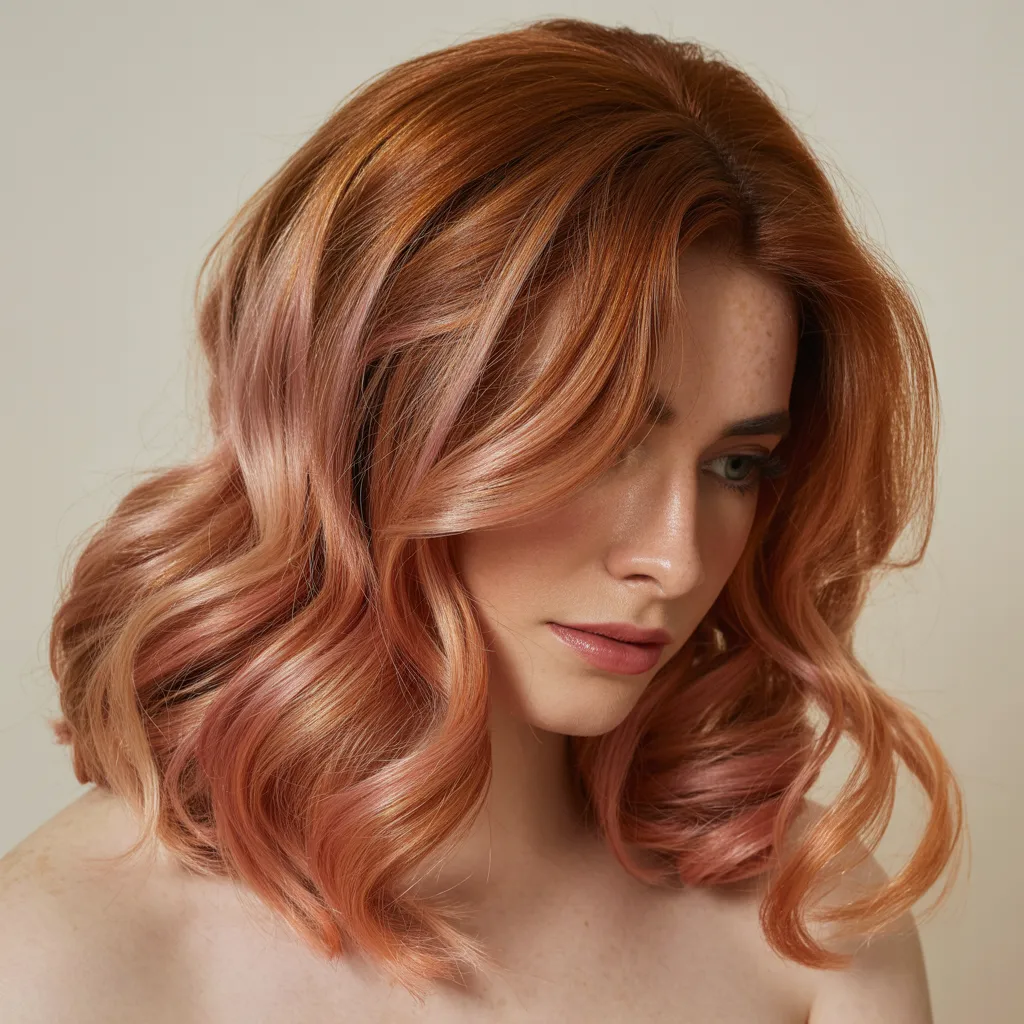
4. Soft Copper
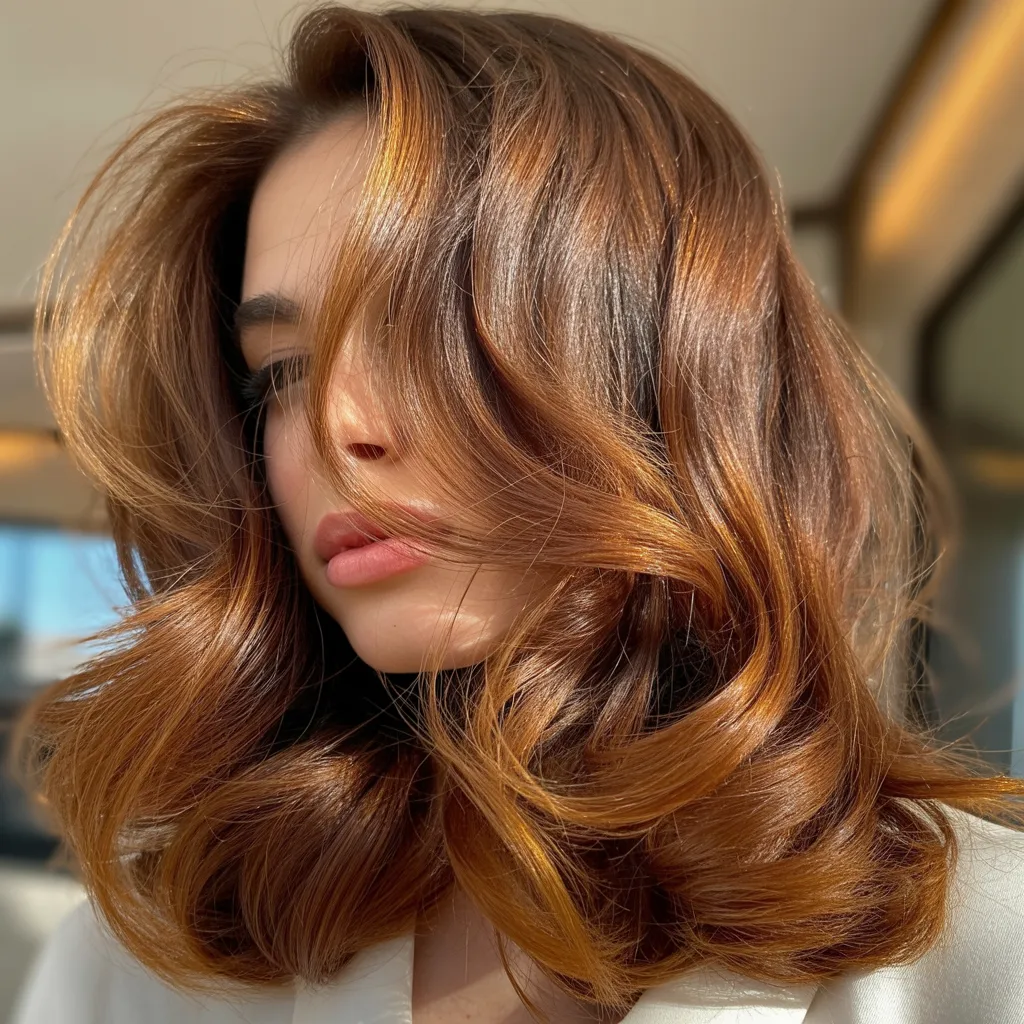
Copper hair has been trending for several seasons, but the newest version of this color is softer and more wearable than previous bright red tones. Instead of vibrant orange or bold auburn, modern copper shades lean toward muted warmth.
Soft copper contains hints of cinnamon, peach, and light brown, which create a warm but balanced tone. This shade tends to brighten the complexion because warm colors reflect light toward the face.
For people with fair or medium skin tones, soft copper can create a healthy glow that looks almost sunlit.
Hairstylists often recommend adding subtle balayage highlights within copper shades. This technique blends slightly lighter strands throughout the hair, creating movement and softness. The result is copper hair that looks natural and radiant rather than intense.
5. Mushroom Brown
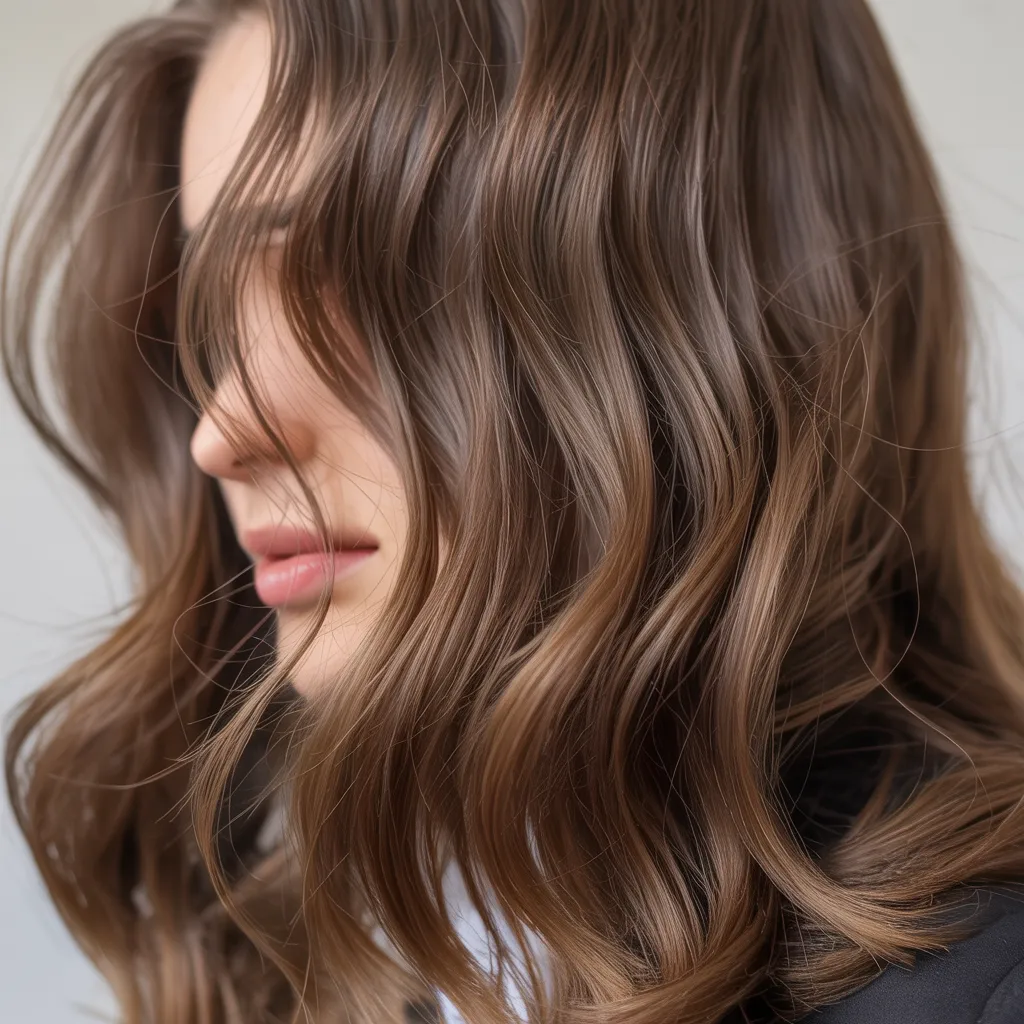
Mushroom brown has become one of the most talked-about cool-toned hair colors. The shade is inspired by the muted grey-brown tones found in mushrooms, which create a soft, smoky effect. Instead of warm golden undertones, mushroom brown contains cool ash tones that feel sophisticated and modern.
This color works particularly well for people who prefer cooler beauty tones or who want to neutralize natural redness in their hair.
Because mushroom brown contains multiple subtle tones, it creates a soft gradient effect rather than a flat color. The result is a calm, understated look that many people describe as effortlessly chic.
6. Face-Framing Highlights
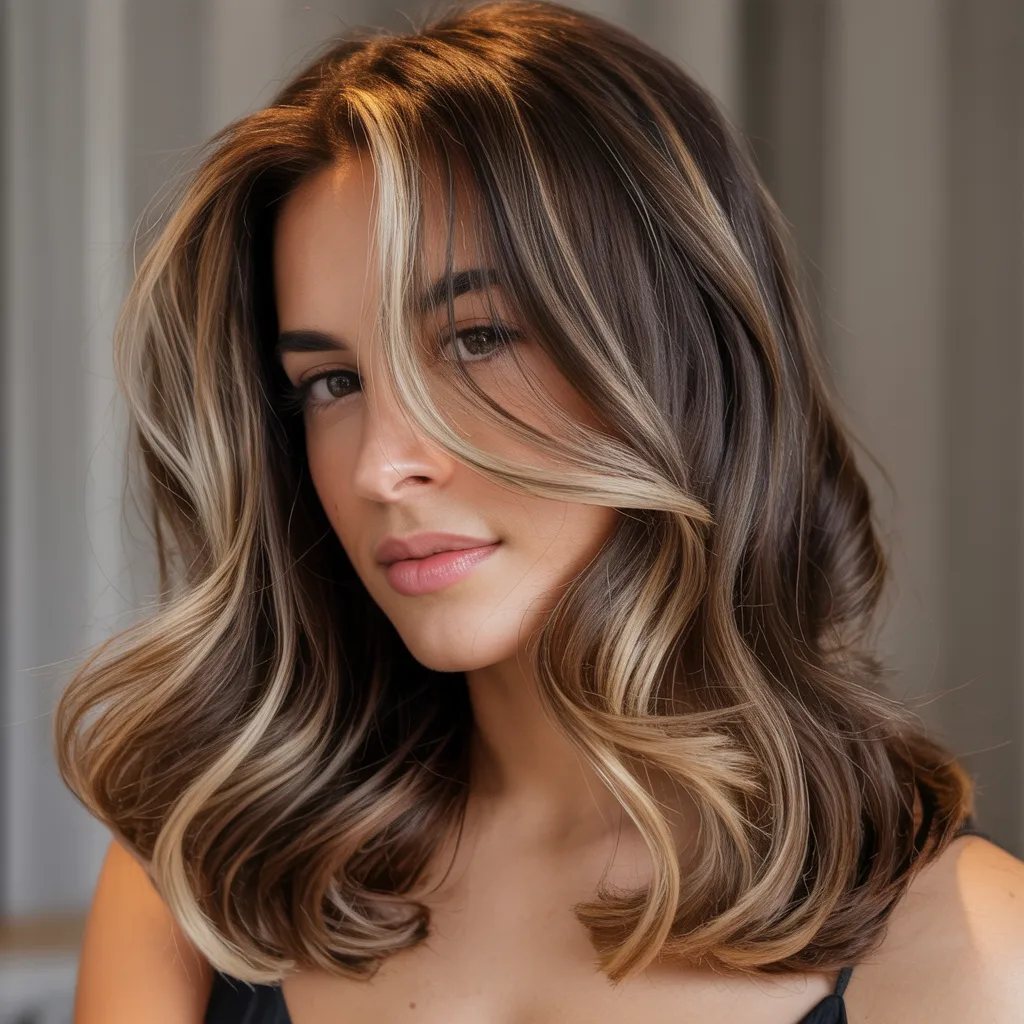
Hair color does not always need to change across the entire head to create a softer appearance. One of the most effective techniques for brightening the face is face-framing highlights.
This method places lighter strands around the front sections of the hair near the face. These highlights reflect light toward the skin, which creates a soft glow and gently brightens facial features.
Face-framing highlights are often only one or two shades lighter than the base color. This subtle difference keeps the look natural while still creating noticeable dimension.
Many hairstylists consider this technique one of the easiest ways to refresh hair color without committing to a full transformation.
7. Dimensional Balayage
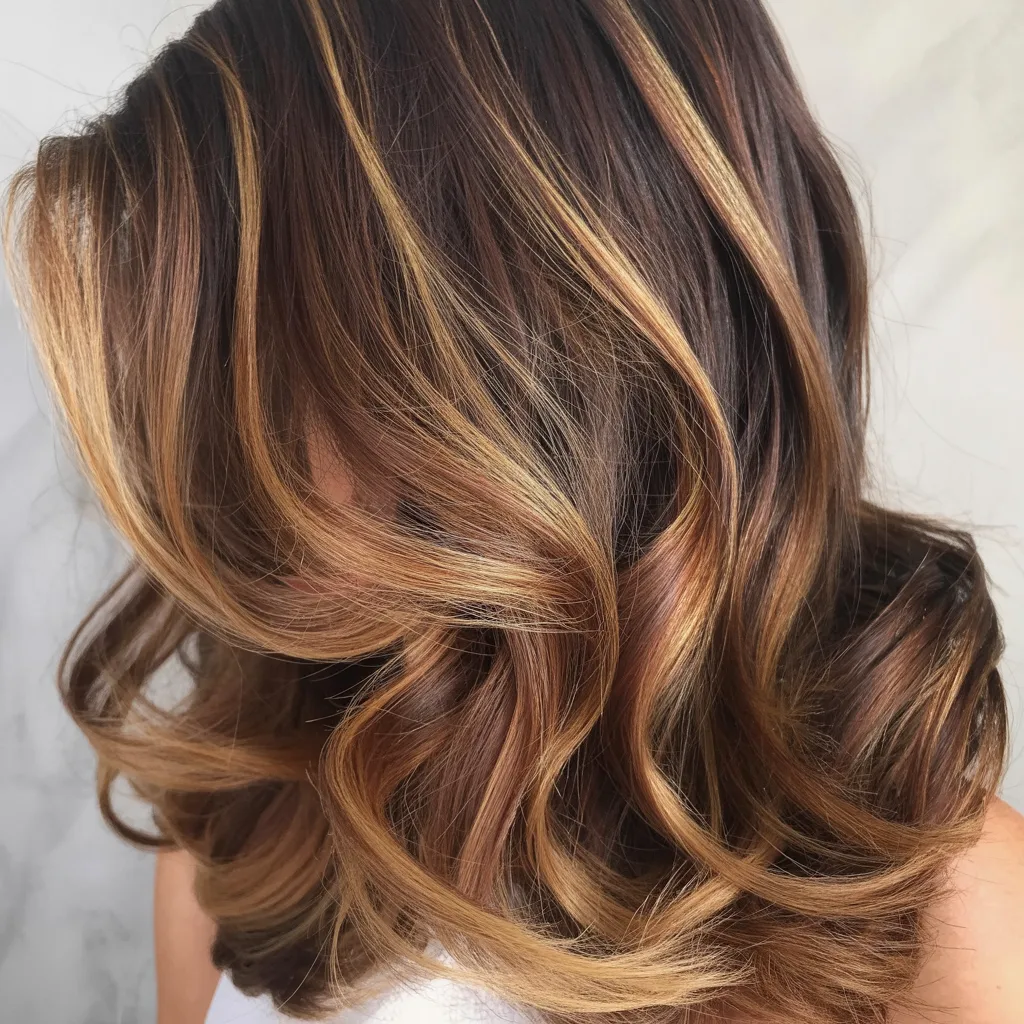
Balayage has remained one of the most popular coloring techniques for years, but the newest versions focus on softer transitions.
Traditional highlights often create clear lines between lighter and darker sections of hair. Balayage, however, blends colors gradually so that the hair appears naturally sun-kissed. Dimensional balayage uses multiple tones that blend together seamlessly.
The result is hair that appears lighter toward the ends while remaining deeper near the roots. This gradient effect creates movement and softness that many people find extremely flattering.
Because the color transitions are gradual, balayage also grows out more naturally than traditional highlights. This makes it a popular choice for people who want beautiful hair color without frequent maintenance.
Why Softer Hair Colors Look More Natural
One reason these hair trends are becoming so popular is that they reflect how hair naturally behaves. Natural hair color rarely appears as one flat shade. Sunlight, movement, and environmental exposure create subtle variations across the hair strands.
When hair color mimics those natural variations, it tends to look more believable and harmonious with the face.
Another factor is contrast. Extremely dark or extremely light colors can sometimes create sharp contrast with skin tone, which may emphasize facial features more strongly. Softer shades blend more gently with the complexion, which can make the overall appearance feel more balanced.
How to Choose the Right Soft Hair Color
The most flattering hair color usually depends on three things:
• your natural hair color
• your skin tone
• how much maintenance you want
For example, someone with naturally dark hair might find that expensive brunette or mushroom brown requires less upkeep than lighter blonde shades.
Meanwhile, people with lighter hair might prefer beige blonde or honey tones because they blend easily with natural roots.
A skilled hairstylist can help analyze undertones in both your hair and skin to find shades that complement your features. The goal is not necessarily to change your hair completely, but to enhance the tones that already suit you.
The Secret Behind Soft, Beautiful Hair
Many people assume the secret to beautiful hair is dramatic color. In reality, the most flattering hair often comes from subtle adjustments that add dimension, shine, and softness.
Colors that blend naturally with your complexion allow your features to stand out rather than compete with your hair.
When done well, soft hair colors have a quiet elegance. They look beautiful in sunlight, flattering in everyday photos, and effortlessly polished without feeling overdone.
And sometimes the most beautiful change you can make to your hair is not choosing the boldest color. It is choosing the one that lets everything about you look softer.