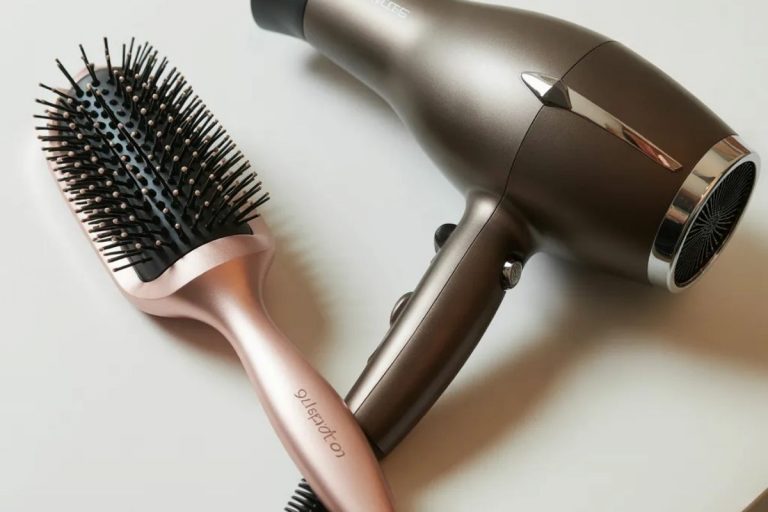
The Hairline Trick Hairstylists Use For Softer Faces
The subtle hair detail that can change your entire look.
When people think about improving their hairstyle, they usually focus on the obvious things. A new haircut. A different hair color. Maybe learning how to style waves or blow-dry hair properly.
But professional hairstylists often start somewhere much more subtle. They start with the hairline. The hairline is the natural border where your hair meets your face. It frames the forehead, the temples, and the sides of your face, which means it quietly influences how every facial feature appears.
This is why hairstylists working with celebrities, runway models, and editorial shoots for magazines like Vogue and Allure often adjust the hairline before anything else.
A small change in how hair falls around the face can make the difference between a hairstyle looking harsh and one that feels soft and effortless. Most people never realize this detail is happening, but once you understand it, you start noticing it everywhere.
Why the Hairline Has So Much Power
The hairline is essentially the frame of your face. Just like a picture frame changes how a painting looks, the shape and softness of your hairline influence how your facial features are perceived.
Sharp, straight hairlines can make facial angles appear stronger. That is not necessarily bad, but it creates a more structured appearance.
Soft, blended hairlines create the opposite effect. They diffuse the visual edges of the face, which can make features appear more balanced and relaxed.
Researchers who study appearance and grooming in fields like Cosmetology often talk about the importance of facial framing. Hair is one of the most powerful framing elements because it sits directly next to the skin and moves naturally with the face.
When hairstylists adjust the hairline carefully, they are essentially shaping the frame around your features.

The Trick: Soft Face-Framing Pieces
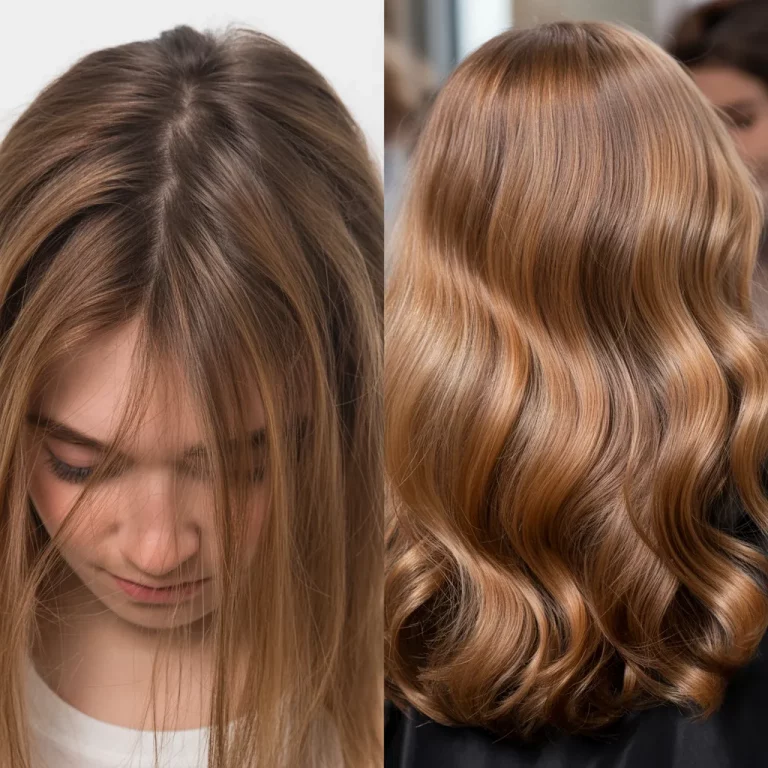
One of the most common techniques hairstylists use is leaving soft, delicate strands around the face instead of pulling every piece of hair tightly back. These pieces are often called face-framing strands.
They are usually slightly shorter than the rest of the hair and positioned around areas like:
- the temples
- the cheekbones
- the jawline
These strands create a gentle transition between the hairline and the face.
Instead of a harsh line where hair suddenly begins, the face is surrounded by soft movement. The result feels more natural and often makes the face look softer immediately.
This is why even polished hairstyles often include a few loose strands around the face. The softness prevents the hairstyle from feeling too rigid.
The Temple Softening Technique
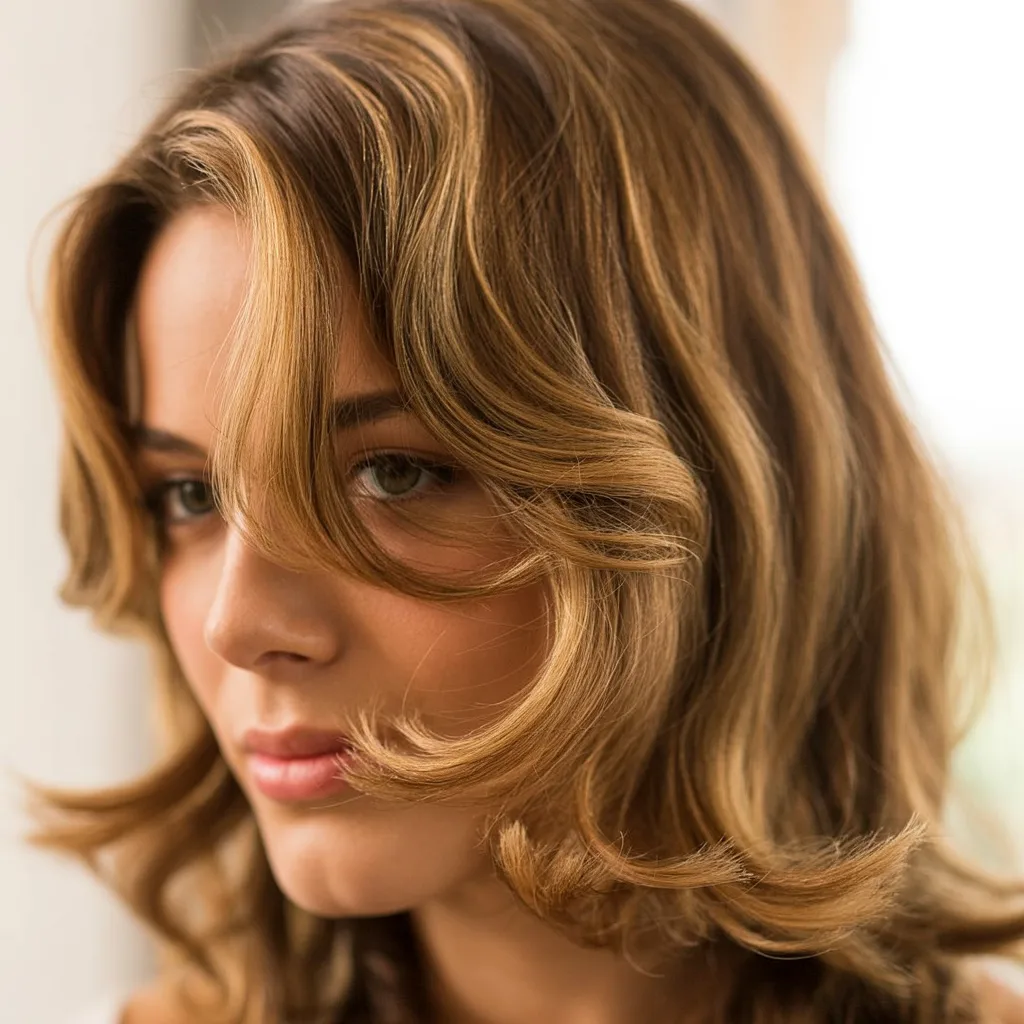
Another small detail hairstylists often adjust is the temple area. The temples are the spaces between the forehead and the sides of the face. When hair is pulled tightly away from this area, the face can sometimes appear slightly sharper.
Stylists soften this by allowing a few strands to remain around the temples. These pieces may be lightly curled, gently waved, or simply left natural. Because the temples sit near the cheekbones, this soft framing can create the illusion of a more delicate facial structure.
You may have noticed this trick in many modern hairstyles. Even when someone wears a sleek bun or ponytail, a few strands near the temples often remain loose. That small adjustment prevents the style from looking severe.
The “Baby Hair” Styling Trick
Another trick many hairstylists use involves baby hairs. Baby hairs are the very fine, short strands that grow along the hairline. In the past, many people tried to hide or smooth down these hairs completely. But modern hairstyling often embraces them instead.
Stylists may lightly style baby hairs with a tiny amount of product to shape them gently along the hairline. This technique creates a soft, natural border around the face rather than a perfectly straight edge.
The effect feels more organic and less structured. Many runway and editorial hairstyles intentionally highlight these tiny strands because they add texture and softness to the overall look.
Why Tight Hairstyles Can Look Harsher
Some hairstyles pull the hairline extremely tight. Slicked-back ponytails, tight buns, and certain braids create a very defined hairline that exposes the full structure of the face. These styles can look powerful and elegant, but they also emphasize strong facial angles.
For people who want a softer appearance, hairstylists often modify these styles slightly. Instead of pulling every strand tightly back, they loosen the front sections just a little.
Even a sleek hairstyle can look softer when a few strands are allowed to move naturally near the face. That subtle softness can change the entire mood of the hairstyle.
The Haircut Trick That Helps the Hairline
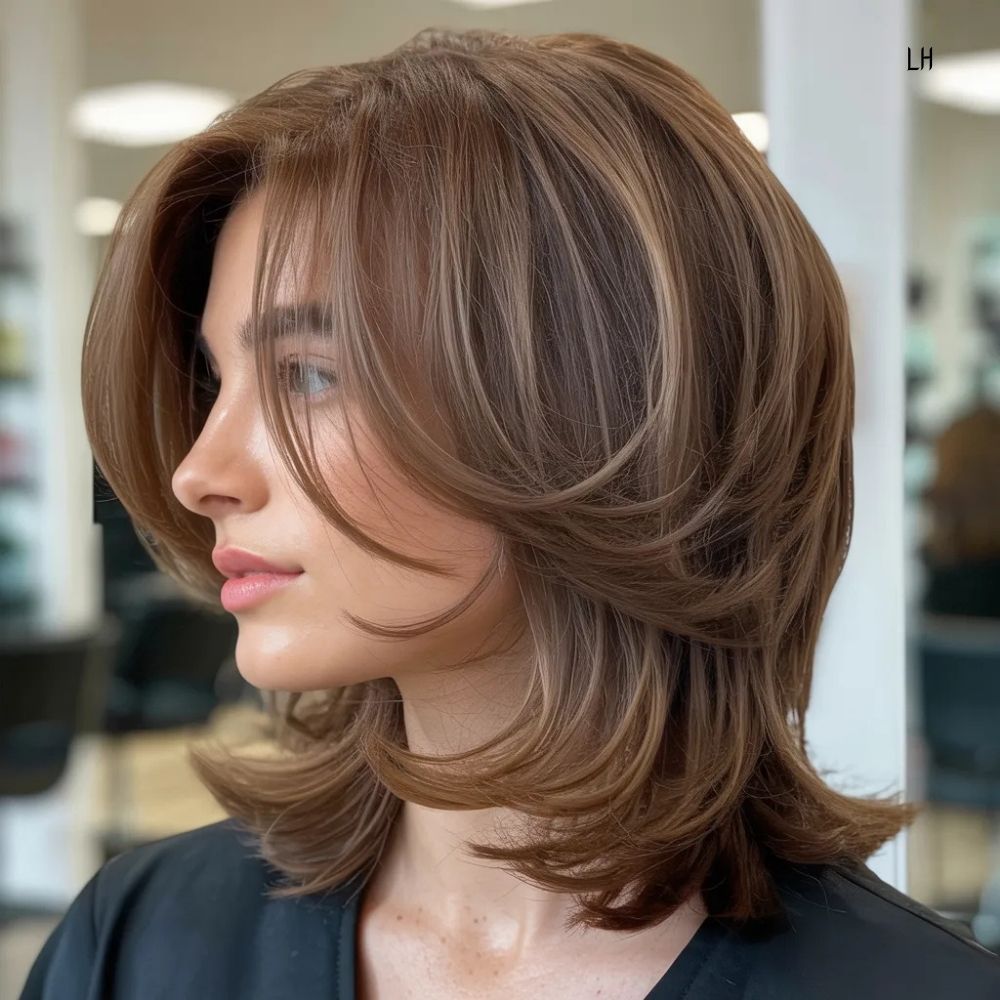
Haircuts themselves can also influence how the hairline behaves. Many stylists create face-framing layers that start around the cheekbones or jawline.
These layers allow the hair to fall gently around the face instead of forming one solid shape. When hair moves naturally around the face, the hairline becomes less noticeable as a sharp boundary. Instead, the hair blends smoothly with the face, creating a softer overall look.
Face-framing layers are particularly helpful for people who want hairstyles that still look good even when the hair is not perfectly styled. The movement in the layers does much of the work.
The Hair Part Trick Hairstylists Use
Your hair part also affects how your hairline frames your face. A perfectly centered part creates symmetry, which can emphasize facial structure.
But shifting the part slightly to the side can soften the appearance of the forehead and cheekbones. Hairstylists often experiment with small changes in part placement to see how the face responds.
Even moving the part half an inch can alter how light hits the hairline. This is why sometimes a new hair part suddenly makes someone feel like their hairstyle looks completely different.
The Texture Trick Near the Hairline
Another trick hairstylists use is adding soft texture near the hairline. When hair lies very flat against the scalp, the hairline can appear sharper. Adding a little movement near the roots creates a softer border between hair and skin.
This can be done with:
- light waves
- soft curls
- subtle blow-drying techniques
The goal is not big volume. Instead, it is gentle movement that prevents the hairline from looking too structured. This small detail makes hairstyles appear more effortless.
The Quick At-Home Version
You do not need a professional stylist to try this trick yourself. The easiest version takes less than ten seconds.
When tying your hair back into a ponytail or bun, pull the hair back normally. Then gently pull out two or three small strands near your temples or around the hairline. Let those strands fall naturally.
If you want a little extra softness, you can lightly curl those pieces or twist them with your fingers. This tiny adjustment immediately changes how the hairstyle frames your face. The look becomes softer, more relaxed, and more natural.
Why Softer Hairlines Feel More Flattering
One reason this trick works so well is that it mimics the way hair behaves naturally. Hair rarely grows in perfectly straight lines. It has small irregularities, movement, and texture along the edges.
When hairstyles respect that natural softness, they tend to feel more effortless and flattering.
Instead of forcing the hair into strict shapes, the style works with the natural flow of the hairline. That is often the secret behind hairstyles that look beautiful without appearing overly styled.
The Quiet Detail Behind Effortless Hair
When you look at someone whose hair always seems to look good, the secret is rarely complicated. It is usually a collection of small details.
Soft layers.
Natural movement.
And a hairline that gently frames the face rather than fighting against it.
These subtle adjustments do not draw attention to themselves. But together, they create the kind of hairstyle that feels balanced, natural, and quietly beautiful.
Sometimes the most powerful beauty tricks are the ones that almost no one notices. And the hairline is one of them.