My Chaos-But-Magic Method for Choosing Eyeshadow Colors That Actually Match
Whenever I open my eyeshadow drawer, it feels as if I’m lifting the lid on a tiny universe overflowing with pigments, a world where crushed-berry mattes live beside shimmering golds and earthy browns mingle with dreamy mauves.
All of them are waiting to be touched and swirled and tested in the kind of joyful chaos that always pulls me into a creative trance. I never approach my shadows with a rigid plan or a calculated formula; instead, I let myself respond to the waves of color in front of me.
People often assume that stunning color combinations must come from precise rules or advanced color theory, but the truth is that my method is far more instinctive and playful, shaped by the way pigments behave when they meet and melt together rather than by what any chart says they should do.
Even though it looks like pure chaos from the outside, it somehow produces looks that feel harmonious, emotional, intentional, and entirely personal, which is why I trust this messy, magical process completely.
Why Chaos Works Better Than Any Color Wheel
Color theory will tell you which hues are complementary, which undertones harmonize, and which combinations should theoretically blend well.
Makeup operates in a different dimension, one where warmth, texture, shimmer, and the natural tone of your skin reveal truths that charts simply cannot predict. Makeup is alive; it shifts with lighting, adapts to movement, warms to your skin, and transforms based on how heavily or softly you apply it.
When I let chaos guide me instead of rules, I give colors the space to show me who they want to sit beside, because pigments have personalities when you treat them like living mediums rather than static swatches.
Some colors deepen when pushed against another shade, some brighten, some soften, and some suddenly bloom into an entirely new tone that you never would have discovered by following a diagram. Chaos lets the colors breathe, react, and reveal their chemistry in real time, and this is where the magic begins.
Step One: I Start With the Shade That Pulls Me In, Not the One That ‘Makes Sense’
Instead of choosing a base shade that matches my outfit or sticking to a safe neutral as the foundation of the look, I begin with the color that speaks to me emotionally in that moment.
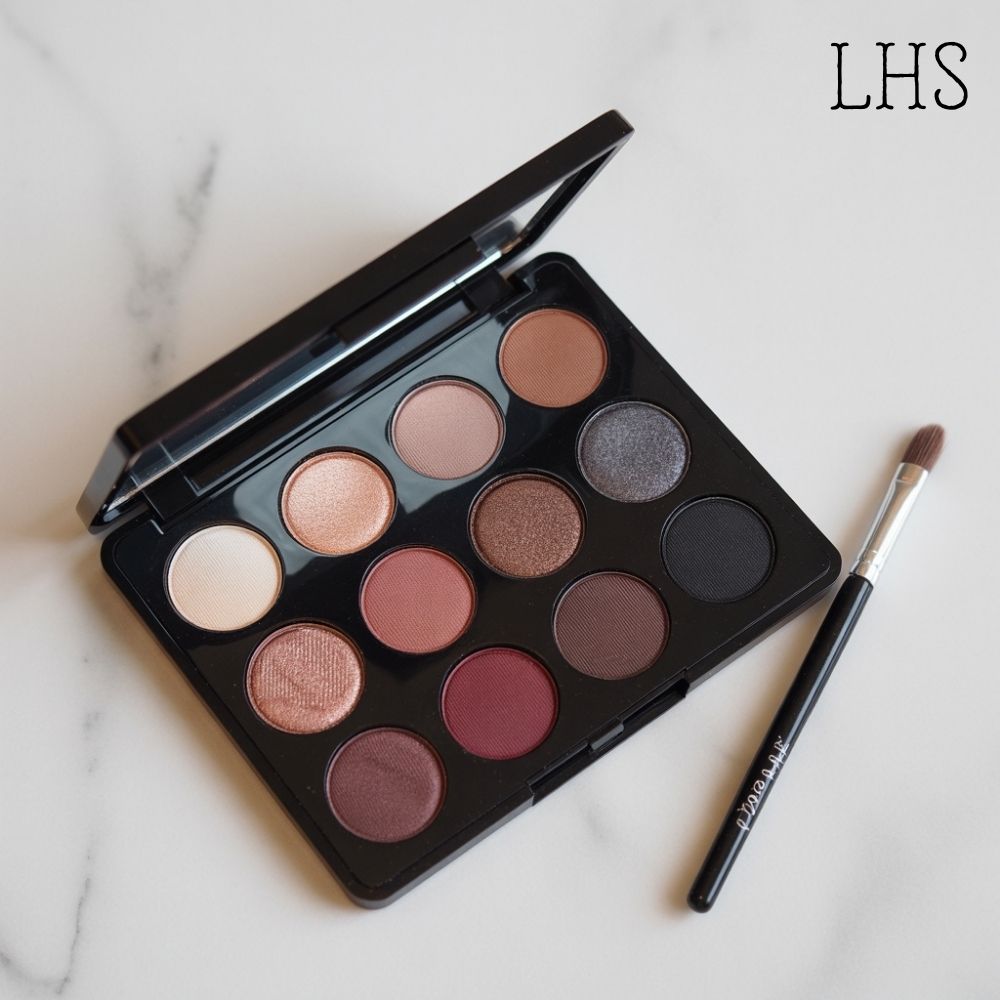
It might be a molten bronze glowing under the light, a muted rose that feels soft and comforting, a smoky plum that gives off mysterious energy, or a shimmering jade that feels adventurous and alive.
This shade becomes my anchor, the heart of the look, and I place it on my eyelid without overthinking, simply observing how it behaves as it settles into the skin.
From there, every other color is chosen in response to its presence, the same way a painter looks at the dominant color on the canvas and instinctively understands what the next brushstroke should be.
Step Two: I Tap Random Shades Beside It Just Like Swatching Paint
This step always looks chaotic to anyone watching, because instead of methodically selecting a color that “should” match the anchor shade, I lightly tap two or three random shadows near it on the back of my hand to see how they behave when they get close.
I blur their edges with the soft pad of my fingertip and watch how they melt, merge, resist, or transform, because the skin is an honest surface that immediately reveals whether two pigments will create harmony or conflict.
Sometimes the combination creates a gentle gradient where the colors seem to sigh into each other; sometimes they create an explosion of dimension that feels electric; and sometimes they muddy into a shade that tells me instantly to move on.
This little swatch-dance helps me understand the relationship between textures and tones long before any of it touches my eyelids, and it always guides me into pairings I wouldn’t have chosen through logic alone.
🌼 Step Three: I Let Temperature Guide Me More Than Shade Families
One of the biggest lessons this chaotic method has taught me is that temperature matters far more than the actual color.
Warm tones want warm companions, cool tones crave cool neighbors, and neutral shades have this wonderful ability to lean in whichever direction feels right once you introduce them to another color.
This means a warm copper can flow beautifully with a warm burgundy, a cool lavender can settle perfectly beside a cool slate blue, and a neutral beige can act as a blending bridge between almost any two shades as long as the temperatures don’t fight.
When I focus on warmth and coolness rather than strict shade groups, my color combinations feel more natural and intuitive, like they evolved instead of being constructed.
Step Four: Shimmer Is a Finale, a Mood, a Moment
Shimmer is emotional. It doesn’t simply add light; it adds personality. I never choose shimmer first because shimmer should enhance a story, not start one.
After I have created a soft, blended harmony of mattes, I gently tap shimmer onto the center of my hand swatch to see how it interacts with the existing colors.
The right shimmer doesn’t steal the spotlight; it completes it. It softens transitions, adds dimension, and creates movement so the look feels alive whenever you blink or turn your head.
I always choose shimmers that glow rather than shout, because the true beauty of shimmer lies in the way it transforms under shifting light, not in how loudly it sparkles in a still moment.
Step Five: I Look From Far Away to See the Whole Mood
After blending and swatching and adjusting, I take a few steps away from the mirror, turn around, and walk back to it slowly, not to inspect details but to evaluate the overall feeling of the look. Up close, pigments show technique; from afar, pigments show intention.
When I return to the mirror, I look for harmony, warmth, softness, or drama, whatever mood I intended to create.
If the anchor shade still feels centered and supported, if the transition colors feel like gentle echoes rather than loud interruptions, and if the shimmer glows like a finishing brushstroke that ties everything together, then I know the chaos has found its magic.
Let Your Eyeshadow Be As Wild and Beautiful As Your Creativity
If you’ve ever felt intimidated by eyeshadow palettes or worried about choosing the “wrong” shades, I hope this encourages you to step into a little artistic chaos.
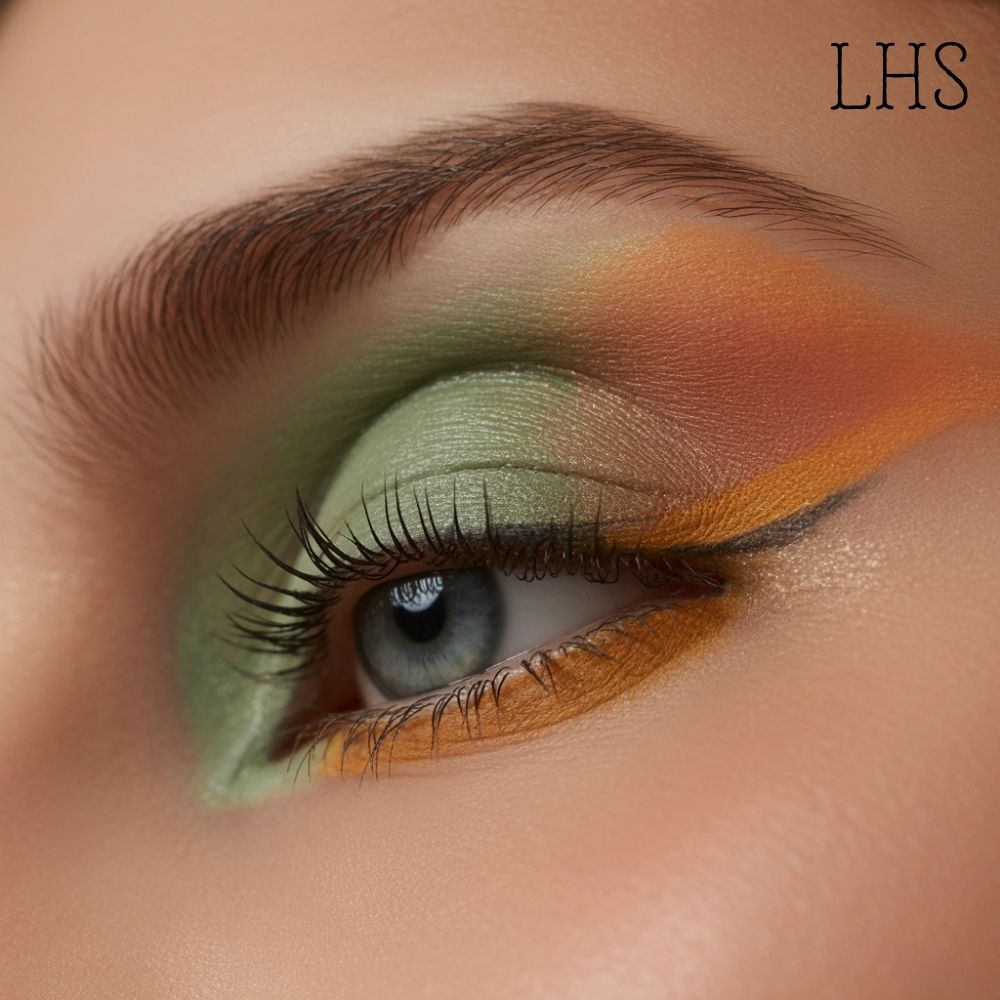
Chaos is where colors breathe, blend, clash, flirt, soften, glow, and ultimately become something uniquely yours.
Let yourself tap pigments without overthinking, blend in imperfect circles, test shades beside each other like you’re creating tiny paintings, and trust your eyes and your emotions more than any rulebook.