The Five Unexpected Household Items I Use as Painting Tools for Makeup Tests
On one of those wonderfully chaotic afternoons, I noticed something funny, I wasn’t using real makeup tools at all. I had somehow reached for objects that had absolutely no business being near my beauty products, yet they blended, dabbed, softened, blurred, and swirled my makeup better than half of the brushes I owned.
It was one of those moments when you look at your own behavior and think, “Okay, this is definitely weird but also kind of genius?” Because as it turns out, the world is full of little tools waiting to help you create a new look.
So today I’m sharing the five household items I secretly use as painting tools during makeup tests. They’re strange, they’re fun, they’re wildly effective, and they make every pigment experiment feel like a mini art project happening right there on my skin.
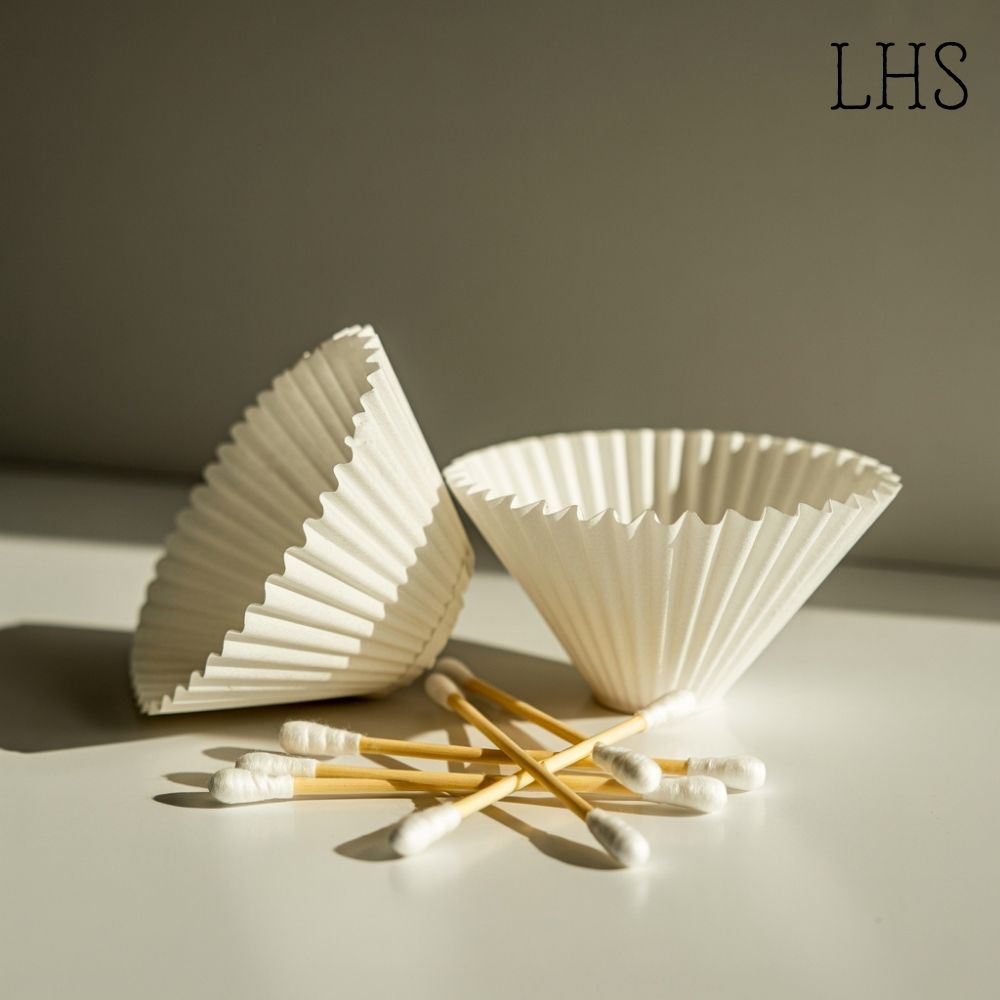
Coffee Filters — My Softest Blending Cloth Ever
I don’t know when coffee filters became a permanent resident in my makeup drawer, but I’m pretty sure it began on a morning when I spilled blush powder all over my arm and grabbed the first thing within reach.
When I wiped with the filter, I immediately froze because the texture was soft enough to blur edges without lifting too much color, sturdy enough not to crumble, and completely lint-free.
Coffee filters blend makeup like a gentle whisper, letting pigments soften into each other the same way two watercolor shades melt into a gradient when you drag a damp brush between them.
When I test new blush shades, I press them onto the filter first to see their true undertone and how they diffuse. It almost feels like watching the color bloom in slow motion.
Cotton Swabs — But Not for What You Think
Cotton swabs are usually the cleanup crew in makeup routines, but when I use them during tests, they’re the equivalent of tiny precision paintbrushes. They let me sculpt the smallest details of a swatch, like building a micro-ombre on my wrist or feathering out the edges of a tint to see how it will wear.
But here’s the real magic: if you twist the cotton slightly to expose a thinner edge, you get a makeshift liner brush that works beautifully for testing gel liners, liquid pigments, or lip colors that need detail work.
There’s something delightfully satisfying about using such a simple tool to create clean lines and delicate textures. It makes makeup experiments feel like you’re sketching tiny pieces of eye art before committing them to your face.
Spoon Handles — The Perfect Metal Mixing Palette
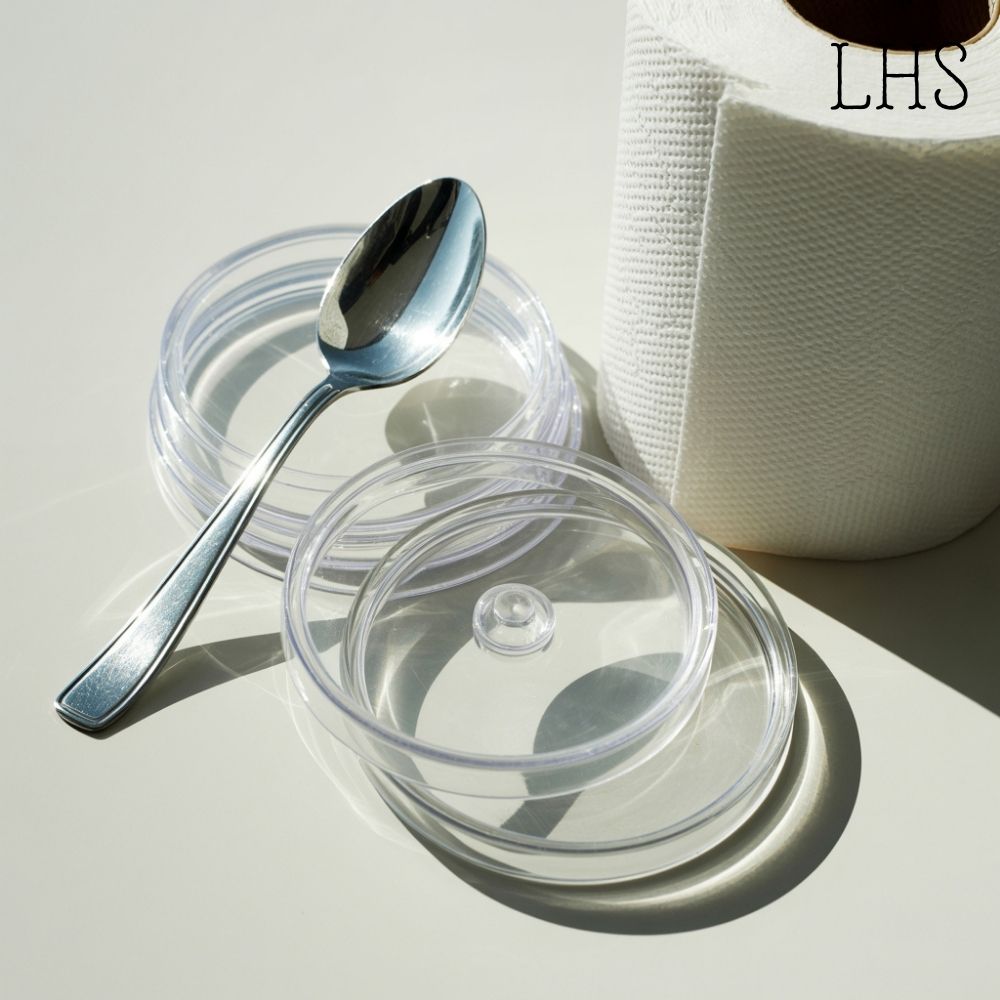
I swear I’m not joking when I say that the back of a metal spoon handle is one of the best mixing palettes I’ve ever used. It has a cool, smooth surface that feels almost like a miniature artist’s metal tray, and the curved shape lets liquid pigments slide into each other most satisfyingly.
The first time I tried it was completely accidental. I was making a custom lip shade and didn’t want to dirty my actual palette, so I smeared two tints onto the spoon handle.
The moment they touched the metal, they thinned out evenly and blended like melted candy. The cool surface kept the product fresh, glossy, and easy to swirl into new colors.
Now I use spoon handles for mixing cream blush with highlighter, testing lip colors before wearing them, and even creating subtle shimmer blends that look almost iridescent.
It feels like stirring paint on a silver wand, and honestly, it makes every experiment feel a little enchanted.
Paper Towels — The Texture Testers
Paper towels are the chameleons of my makeup testing routine. When they’re used dry, they pull excess oil from cream products so I can see what a formula looks like after it sets; when they’re used slightly damp, they mimic natural skin texture more accurately than you’d expect.
I love tapping tinted pigments onto a folded piece of paper towel because each tiny raised pattern grabs color differently, revealing how a blush or bronzer will look on various parts of the face.
There’s something beautifully scientific about watching makeup move across a textured surface. It’s like testing how light and shadow interact before putting anything on your skin. It’s makeup as physics, makeup as exploration, makeup as play.
The Transparent Lids of Old Containers – My Accidental Light Tester
You know those clear plastic lids from candle jars, moisturizer tubs, or random containers you keep “just in case” because you swear you’ll find a use for them one day?
Well, I found their purpose.
They are the perfect testers for light reflection. When you smear highlighter, gloss, shimmer balm, or liquid shadow onto a transparent lid and hold it up to the light, you can see exactly how the product reflects at different angles.
This trick taught me that some highlighters look icy on the skin but golden on a clear surface, and some glosses that seem subtle indoors turn into glassy magic in sunlight.
Why These Unexpected Tools Make My Makeup Experiments So Much More Fun
There’s something incredibly liberating about tossing rules aside and letting randomness guide your creativity.
When I reach for a spoon handle instead of a palette or use a coffee filter to blur a blush swatch, I’m reminded that beauty doesn’t have to be polished or predictable. It can be playful. It can be whimsical. It can feel like dipping your fingers into paint, just to see how the color behaves.
Using household items makes makeup less intimidating and more like an adventure. It’s like discovering how a pigment spreads, how it melts, how it softens, and how it transforms under different textures.
Every swatch becomes a tiny exploration, a little experiment, a small moment of wonder.
Creativity Lives Everywhere, Even in Your Kitchen Drawer
If you’ve been feeling stuck in your beauty routine or wishing your makeup experiments felt more alive, try letting your home become part of your art.
Grab a ribbon, a spoon, a cotton swab, a piece of paper, a forgotten jar lid and see how your pigments react.