My Method for Testing Pigments on Paper Before They Touch My Skin
There was a quiet evening when I sat at my vanity surrounded by palettes, tubes, pots, and pencils. Yet on that particular day, everything felt overwhelming rather than inspiring, as though the shades were speaking all at once and I couldn’t hear a single clear idea through the noise.
I remember reaching for a new blush, lifting the lid with anticipation, and feeling an unexpected wave of hesitation because I wasn’t sure whether the pigment would melt into my skin or sit on top like a stubborn intruder.
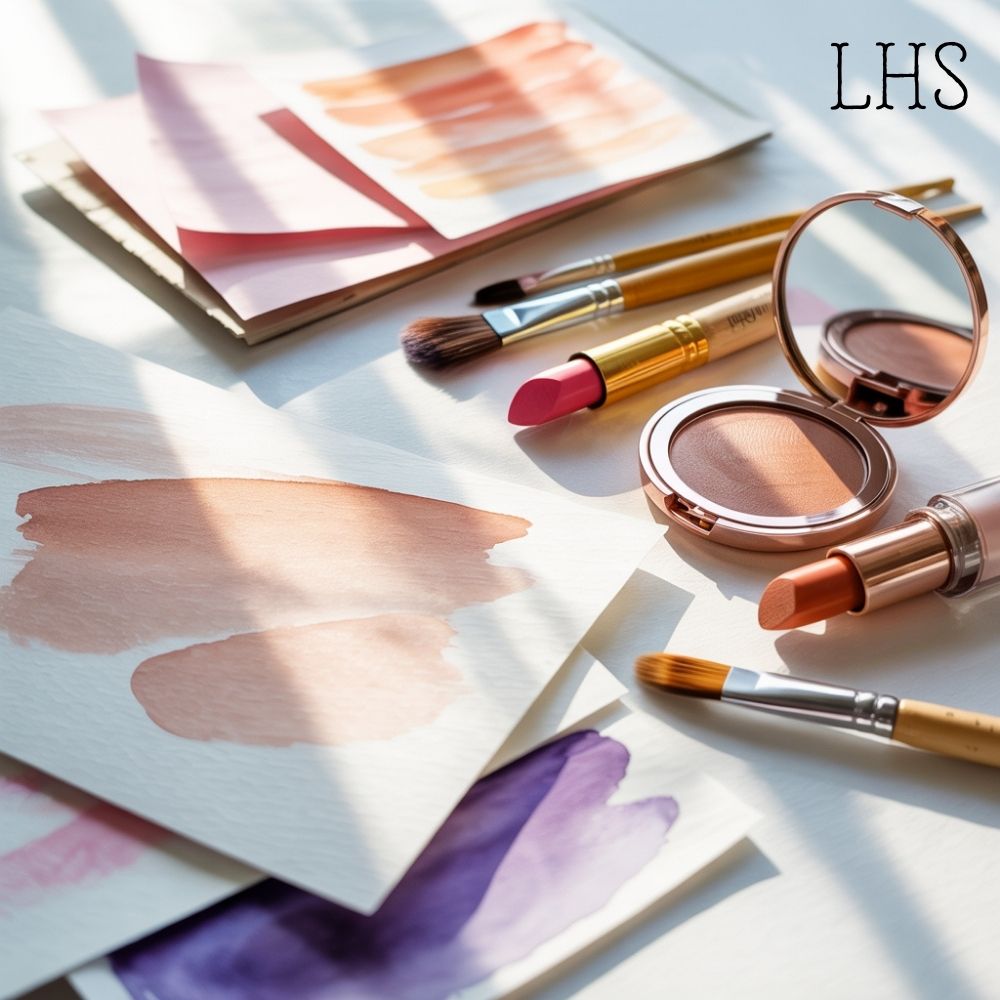
And instead of swiping it directly onto my cheek the way I always did, I reached for a scrap of thick watercolor paper I had been using for unrelated doodles, dipped my brush into the pigment, and swept it across the paper in one soft, continuous motion.
The color bloomed instantly and something inside me softened in relief. That small moment became the beginning of one of my favorite beauty rituals, one that feels almost sacred now.
It’s a method for testing pigments on paper before they ever meet my skin, not because I distrust the colors, but because I want to understand them, to listen to them, to feel their mood and intention before they become part of mine.
Why Paper Became My First Skin
Paper doesn’t judge. It doesn’t absorb unevenly. It doesn’t react with oils or texture or temperature. It receives pigment honestly, allowing you to see its truest form before it changes its behavior on your body.
When pigment touches paper, it reveals secrets. It shows whether it’s sheer or full, warm or cool, dusty or bright, buildable or stubborn. On skin, everything competes for interpretation: pores, undertones, hydration, lighting. But on paper, the pigment stands alone, uncomplicated and candid.
Testing on paper gave me the freedom I never realized was missing from my routine. I no longer felt that tiny spike of regret when a shade turned out to be too intense, too muted, too flat, or too glittery for what I wanted.
I learned the tempo of each product, the rhythm of how it moved, the level of pressure it preferred. It felt like learning the brushstrokes of a new paint before committing it to canvas.
My Paper-Testing Ritual
I don’t follow strict steps; I follow feeling. But over time, my method has found its own natural order, like a rhythm that exists between my hands and the pigments.
1. I Choose the Right Paper — Thick, Textured, and Quietly Absorbent
I love watercolor paper because it gives pigments room to breathe. It lets them spread gently, revealing undertones and depth. Smooth paper hides too much; textured paper tells the truth.
2. I Begin With a Dry Swatch — The Purest First Impression
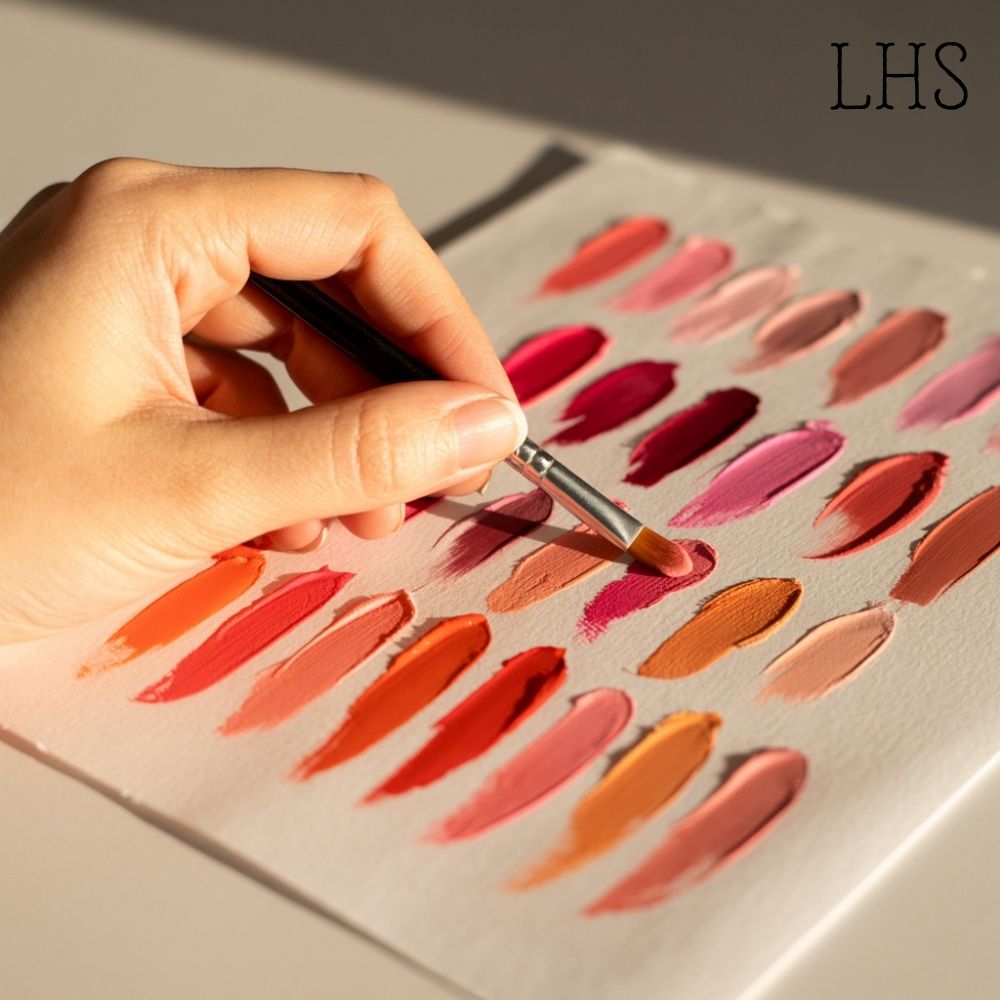
I take a fluffy brush or fingertip, gather a small amount of product, and sweep it across the paper in one long, continuous stroke. That first stroke tells me everything: softness, powderiness, shimmer, saturation.
3. I Experiment With Pressure — Light Touch, Heavy Touch, Blended Touch
I mimic the ways I might apply it to my face. A light stroke shows the whisper of the shade. A firmer stroke shows how bold it can be. Circular blending shows how well it diffuses.
4. I Add a Drop of Water or Mixing Medium (If Needed)
This reveals whether the pigment blooms beautifully or becomes muddy. Some colors come alive when wet. Others resist. Both tell a story.
5. I Compare the Pigment Against My Skin Tone — Not On My Skin, But Beside It
I hold the paper near my jaw or wrist, letting the lighting and undertones mingle without committing. This gives a gentle preview without the emotional weight of a direct application.
6. Only After Understanding the Pigment Do I Let It Touch My Skin
The moment I apply it to my face feels more intentional, almost ceremonial, because I already know the pigment’s character and how it wants to behave.
This method feels like an act of respect — for the color, for my skin, for the creative process.
The Emotional Magic of Seeing Pigment Unfold Outside Its Container
There is something incredibly soothing about watching pigment stretch across paper. The way shimmer delicately catches the texture, the way matte tones soften at the edges, the way deeper colors bleed into lighter ones like dreams merging into memory. It feels like watching emotion in visual form.
When you encounter a shade in its vulnerable form, something changes in the way you use it. You stop treating it as a tool and start treating it as an experience. Testing pigment on paper becomes a dialogue, a moment where color reveals itself without pressure or expectation.
Why This Technique Has Become My Secret to Creative Makeup Looks
When I see pigments on paper before seeing them on my skin, I feel more daring, more open, more imaginative. I start picturing combinations I would have never tried.
A muted mauve paired with golden peach. A warm terracotta softened with a swipe of cool rose. A shimmery plum layered beneath sheer coral.
Paper testing turns makeup into mixed media, shifting me out of the “beauty rules” mindset and back into the endless playground where creativity thrives. Many of my favorite looks were born on paper before ever appearing on my face.
It is difficult to fear a bold shade when you’ve already seen how beautifully it can behave in its raw, unfiltered form.
Paper Is Where I Meet My Colors Before They Become Part of Me
Testing pigments on paper has become one of my most cherished beauty rituals, because it allows me to form a relationship with color before inviting it onto my skin. Makeup becomes emotion, reflection, connection, and art.
So if you’ve never tested pigment on paper before, I hope you try it someday. You might be surprised by the intimacy of seeing a color reveal itself slowly, honestly, beautifully before it becomes part of the story you wear on your face.