The Layering Trick That Makes Perfume Smell Unique
How fragrance lovers create scents that feel completely their own.
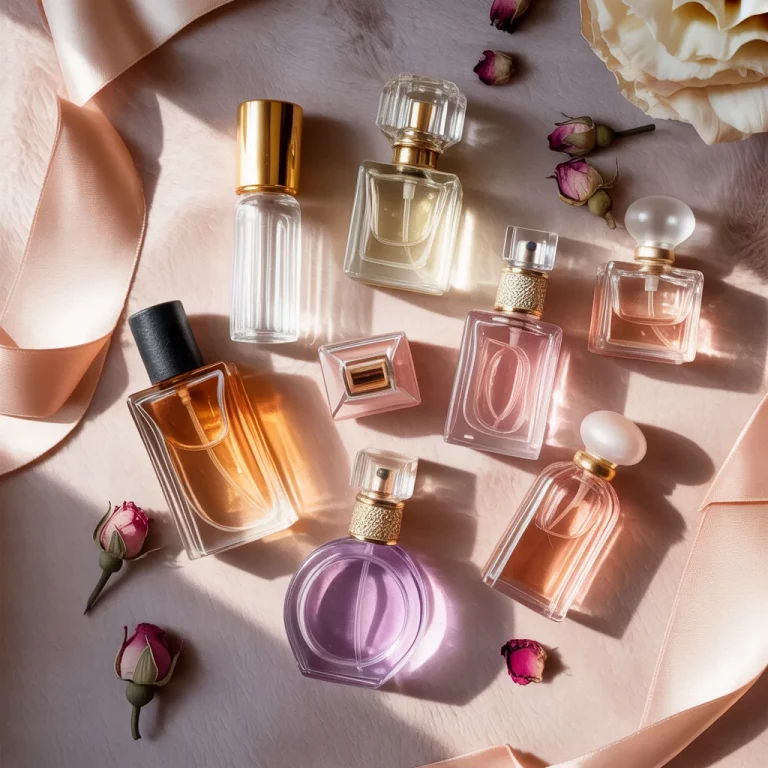
There is a certain kind of person who always smells amazing. Not in an overpowering way. Just a soft, intriguing scent that feels memorable without being obvious. When someone walks past them, you notice it for a moment and think, what perfume is that?
Interestingly, the answer is often not a single perfume. Many fragrance enthusiasts use something called perfume layering. Instead of relying on one scent, they combine different fragrances or scented products to create a unique blend.
This technique has quietly become popular among beauty editors and fragrance lovers. Publications like Allure and Vogue have often discussed how layering can transform even familiar perfumes into something that feels completely personal.
The result is a fragrance that evolves differently throughout the day and smells slightly different on everyone. Understanding how perfume layering works requires a closer look at how fragrances are structured.
Why Perfume Smells Different on Everyone
Perfume is built like a small story that unfolds over time. Most fragrances contain three main layers:
Top notes appear first and are usually light and fresh.
Middle notes emerge after the top notes fade and form the heart of the fragrance.
Base notes are deeper and linger the longest on the skin.
This structure is studied in fields like Olfactory Science, where researchers explore how scent molecules interact with air, skin chemistry, and body temperature. Because everyone’s skin chemistry is slightly different, perfumes naturally develop in unique ways on each person.
Layering builds on this idea. Instead of letting one fragrance develop alone, layering allows multiple scent structures to interact with one another. When done thoughtfully, this creates a fragrance profile that feels far more complex and distinctive.

What Perfume Layering Actually Means
Perfume layering simply means combining scents in a way that allows them to complement each other rather than compete. This can be done in several ways.
Some people layer different perfumes together. Others layer fragrance through scented body products like lotions, oils, or body mists before applying perfume. Each layer contributes subtle notes that build into a richer scent experience.
For example, a soft vanilla body lotion paired with a floral perfume might create a warm floral scent that feels deeper than the perfume alone. The key is balance. Layering works best when the scents share similar tones or when one scent gently enhances another.
The First Layer: Start With Skin Care
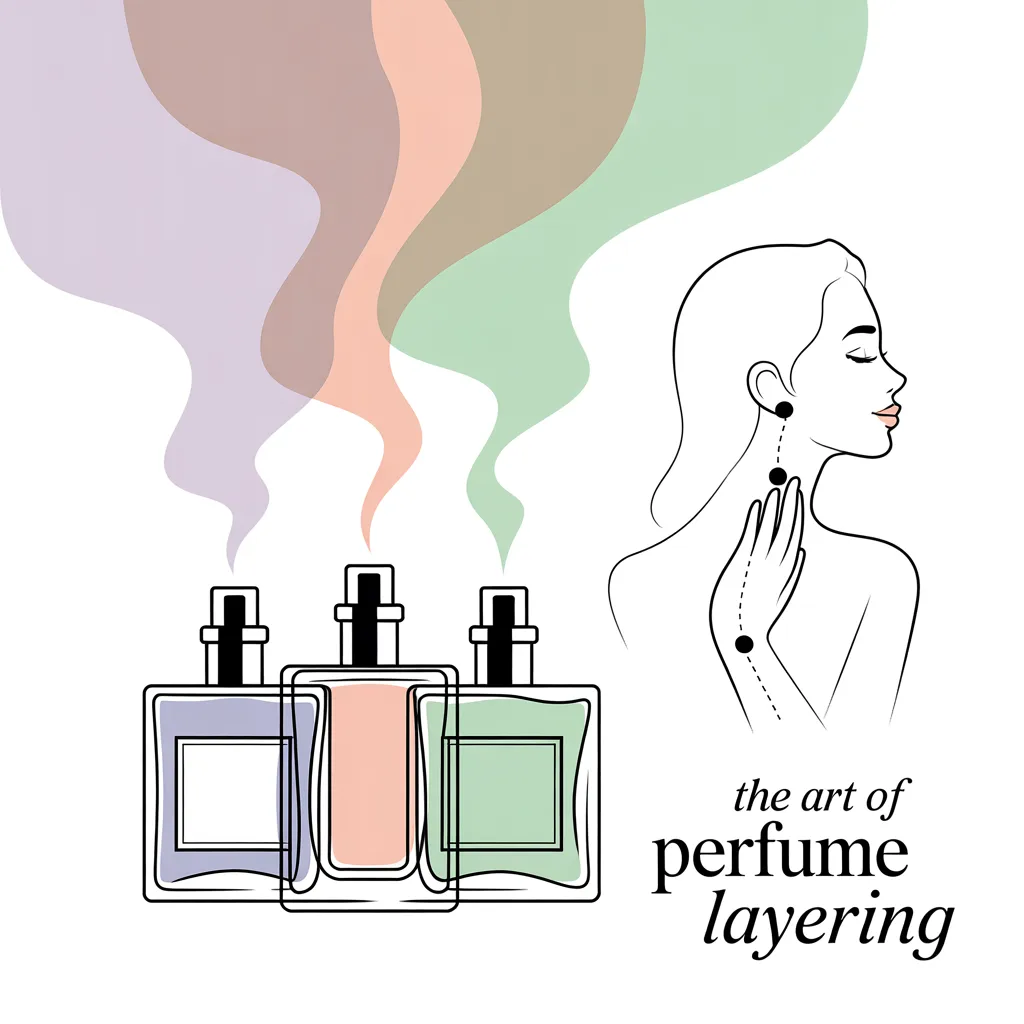
One of the easiest ways to start layering fragrance begins with your skincare routine. Perfume lasts longer on hydrated skin, which means applying a lightly scented lotion or body oil before perfume can improve both longevity and depth of scent.
Many fragrance lovers choose lotions with warm or neutral scents such as:
• vanilla
• almond
• coconut
• soft musk
These scents act as a base layer that enhances many different perfumes without overpowering them.
Because lotions sit close to the skin, they release fragrance slowly throughout the day. When perfume is applied on top, the two scents blend together naturally.
The Second Layer: The Main Perfume
The second layer is usually the main perfume you want people to notice. This might be a floral fragrance, a citrus scent, or something woody and warm. At this stage, the perfume becomes the central character in the scent combination.
When sprayed onto moisturized skin, the perfume interacts with the base layer beneath it. This creates a richer scent profile that feels more dimensional than a single fragrance alone. Even familiar perfumes can smell slightly different when layered this way.
The Third Layer: A Light Accent Scent
The final layer is often a lighter scent that adds a small twist to the fragrance. This might be a body mist, hair perfume, or even a second fragrance applied very lightly.
For example, someone wearing a rose perfume might add a hint of vanilla mist to soften the floral notes. Another person might combine a citrus fragrance with a touch of woody scent to create warmth.
These small accents give the fragrance its uniqueness. Because the accent layer is subtle, it changes the scent profile without overwhelming the main perfume.
Popular Layering Combinations
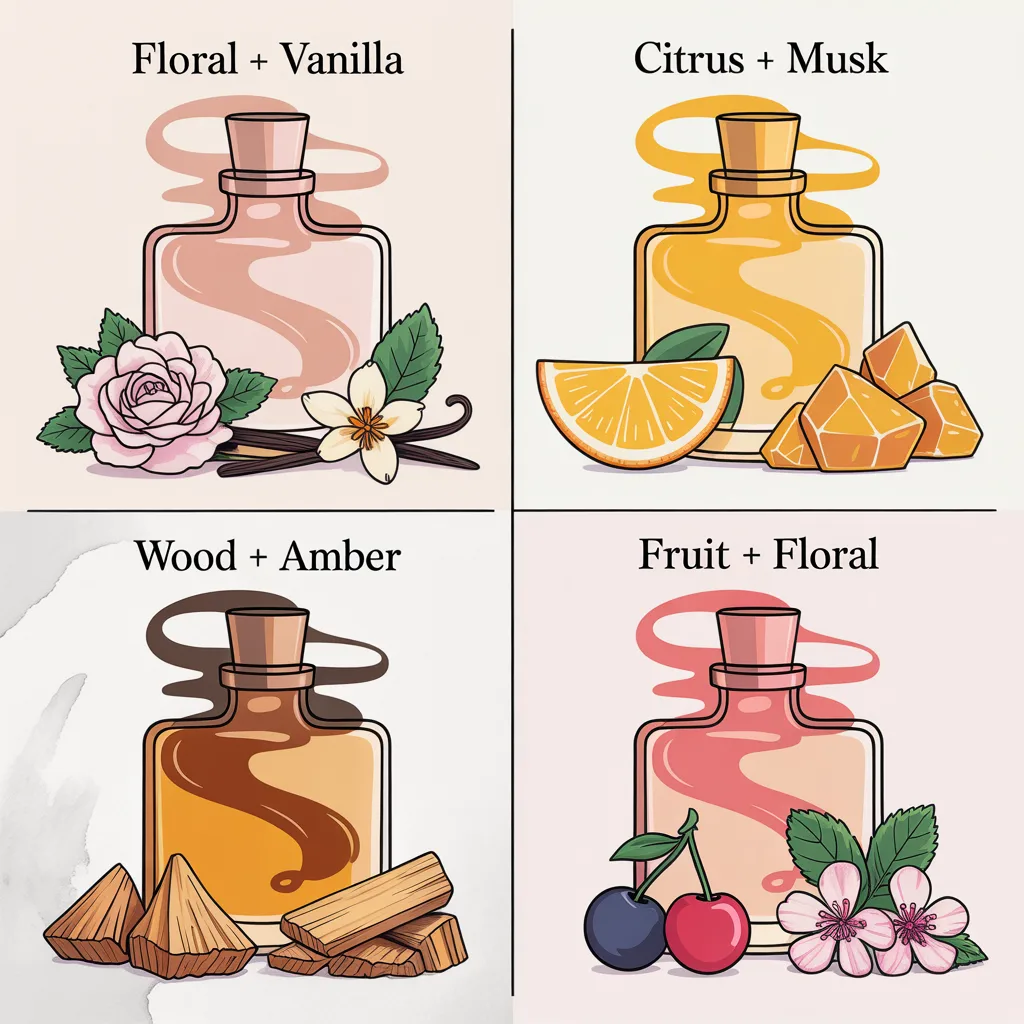
Certain scent families blend especially well together. Some combinations feel naturally harmonious because the fragrance notes share similar qualities. Here are a few examples many fragrance lovers enjoy.
Floral + Vanilla
This combination softens floral perfumes and gives them warmth. Rose or jasmine perfumes layered with vanilla often feel cozy and elegant.
Citrus + Musk
Fresh citrus scents can sometimes fade quickly on their own. Pairing them with a soft musk base adds depth and helps the fragrance last longer.
Wood + Amber
Woody fragrances layered with amber create a warm, sophisticated scent that feels rich and long-lasting.
Fruit + Floral
Light fruity scents paired with delicate florals create bright, playful fragrances that feel perfect for daytime.
Experimenting with combinations is part of the fun of fragrance layering.
The “Hair and Clothing” Trick
Another way to make layered fragrance feel unique is by applying scent in different places. Perfume behaves differently on skin, hair, and fabric.
Skin releases scent through body heat, which allows fragrances to evolve over time. Hair holds fragrance extremely well and releases it slowly when it moves.
Clothing can retain scent for hours because fabric fibers trap fragrance molecules. Some fragrance lovers apply one scent to the skin and a lighter complementary scent to the hair or clothing.
As the day goes on, the fragrances blend together naturally. This creates a soft scent trail that changes slightly depending on movement and temperature.
Why Layering Feels More Personal
One reason perfume layering has become popular is that it makes fragrance feel more individual. Many people wear the same popular perfumes, which means certain scents become instantly recognizable.
Layering allows someone to transform a familiar fragrance into something that feels unique to them.
Even using the same perfume, two people may create completely different scent combinations depending on how they layer it. This makes fragrance feel more like a personal signature rather than just another beauty product.
The Secret to Not Overdoing It
The most important rule of fragrance layering is subtlety. It is easy to accidentally apply too much fragrance when combining multiple scents. A good approach is to keep each layer light.
Instead of spraying multiple perfumes heavily, apply small amounts so that each scent contributes gently to the final blend. When layering is done well, the final fragrance should feel smooth and balanced.
People may notice that you smell good, but they should not necessarily be able to identify exactly what you are wearing.
The Art Behind Signature Scents
Perfume layering turns fragrance into something creative. Instead of following a fixed formula, it allows you to experiment with scent the same way someone might experiment with makeup or fashion.
Over time, many people develop combinations that feel uniquely theirs. And sometimes the most memorable fragrances are not the ones that come from a single bottle. They are the ones created through a little creativity and a few perfectly layered scents.